Study Shows Creatine May Sharpen Thinking In Alzheimer’s Patients
Early findings suggest creatine may have potential benefits for cognition and memory in Alzheimer’s patients.
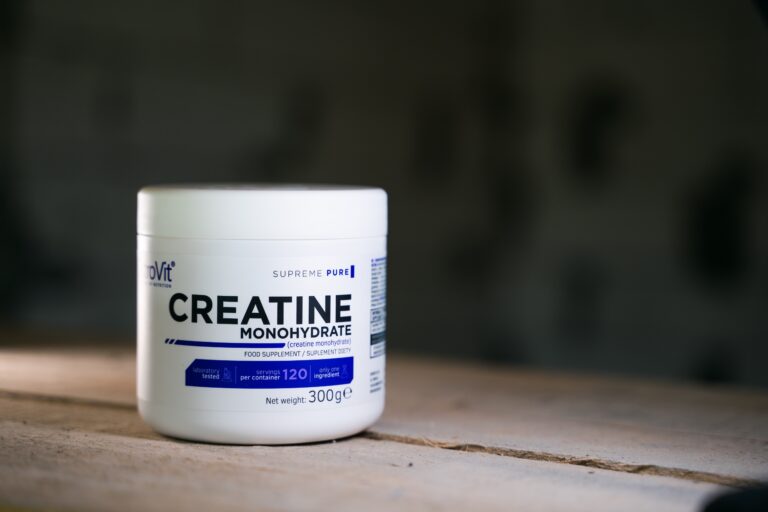
Creatine May Support Brain Energy and Cognition In Alzheimer’s Patients
Researchers at the University of Kansas ran a small, eight-week study to see if creatine, a natural compound made from amino acids, could help people with Alzheimer’s disease. Early results suggest it may improve thinking and memory, but larger studies are needed.
Creatine is a supplement most people know for its role in building muscle. It is primarily used to support muscle strength, growth, and recovery while helping maintain lean muscle and mobility, especially in older adults.
In this study, people with Alzheimer’s disease who took creatine had an 11% increase in brain creatine levels. This increase may improve the brain’s ability to store and use energy, potentially supporting thinking and memory. Participants also performed better on several tests measuring cognitive function and memory.
This study, called Creatine to Augment Bioenergetics in Alzheimer’s, was led by researchers at the University of Kansas Medical Center and was the first clinical trial to test creatine monohydrate in people with Alzheimer’s disease.
How The Study Was Conducted
The study included 20 adults with Alzheimer’s disease, aged 60 to 90. Each person took 20 grams of creatine monohydrate daily for eight weeks. This trial had no placebo group.
The main goal was to see if people with Alzheimer’s could take a high daily dose of creatine for two months. Nineteen of twenty participants took at least 80% of their doses, meeting the study’s target.
Researchers measured blood creatine levels at the beginning of the study, after four weeks, and after eight weeks. They also used a brain scan called magnetic resonance spectroscopy to measure creatine in the brain.
Researchers tested thinking and memory before and after the study using standard tools like the NIH Toolbox and the Mini-Mental State Examination.
Findings
Blood creatine levels increased at both four and eight weeks. In the brain, creatine levels went up by 11%.
After eight weeks, participants also showed better scores on several tests of thinking and memory.
The researchers described the improvements in working memory and executive function as moderate, with most participants tolerating the supplement well.
Why Creatine?
Creatine helps cells transfer energy from the mitochondria to where it is needed in the body.
The brain uses a lot of the body’s energy, but Alzheimer’s disease makes it harder for the brain to produce enough. The researchers believe that increasing creatine in the brain may help support thinking and memory and could also help lower inflammation and oxidative stress.
Earlier research points in the same direction, mostly in people without dementia. A 2023 review published in Sports Medicine found that creatine supplementation may improve certain aspects of cognitive function when the brain is under increased energy demands, such as during sleep deprivation, mental fatigue, or low-oxygen conditions. In a cited study, 32 adults aged 68 to 85 improved on memory tasks after taking 20 grams a day for seven days.
The same review found that Alzheimer’s research at the time was limited to a few animal studies. In mice with Alzheimer’s-like disease, females improved on spatial learning while males did not. Creatine was safe in several Parkinson’s disease trials but did not slow motor decline.
A systematic review published in Nutrition Reviews in September 2025 reached a similar conclusion for healthy older adults. Of six studies with 1,542 participants aged 55 and older, five reported a positive link between creatine and cognition, especially memory and attention. Only one of the six was rated good quality, and just two were supplement trials.
These findings support the need for larger studies to determine whether creatine can offer meaningful, long-term benefits for people with Alzheimer’s disease.
Caveats and Next Steps
While these results are preliminary and should be interpreted with caution, they are encouraging and provide a promising direction for future research. The research team plans to conduct larger clinical trials and investigate more closely how creatine affects the brain.
If future studies confirm these findings, creatine supplementation could open up new possibilities for supporting people with Alzheimer’s, improving quality of life, and promoting healthy aging.
More broadly, this research highlights the exciting potential of targeting brain energy metabolism in the search for new approaches to Alzheimer’s and other neurodegenerative diseases.
Last Updated: